


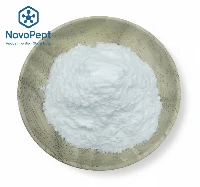
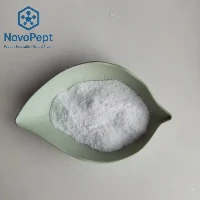
Gamithromycin CAS 145435-72-9
Gamithromycin is a next-generation gamithromycin antibiotic belonging to the azalide sub-class of macrolides. Primarily known by its CAS No. 145435-72-9, this potent anti-infective is a staple in veterinary medicine for treating complex respiratory diseases in cattle and sheep.
What Is Gamithromycin?
Gamithromycin is a 15-membered semi-synthetic macrolide. It was engineered to provide rapid absorption and a long half-life, making it one of the most efficient tools for managing Bovine Respiratory Disease (BRD).
Novopept specializes in Gamithromycin wholesale, supporting bulk orders with flexible quantities, factory-direct pricing, and stable inventory.
Technical Specifications
Chemical Name: Gamithromycin
CAS Number: 145435-72-9
Antibiotic Class: Macrolide (7a-azalide)
Molecular Formula: C₄₀H₆₉N₃O₁₂
Mechanism of Action (MOA)
The gamithromycin mechanism of action is bacteriostatic but can be bactericidal depending on the pathogen and concentration.
- Protein Inhibition: It binds to the 23S RNA of the 50S ribosomal subunit.
- Fast Absorption: It is characterized by rapid lung tissue penetration, reaching peak concentrations in less than an hour.
- Persistence: It maintains therapeutic levels in the lung fluid for over 10 days.
What is lotilaner used for?
Gamithromycin for Cattle
The primary application of gamithromycin cattle protocols is the treatment and prevention of Bovine Respiratory Disease (BRD). It is highly effective against the "big three" bacterial pathogens:
Mannheimia haemolytica
Pasteurella multocida
Histophilus somni
Gamithromycin for Sheep
In small ruminants, gamithromycin sheep treatments are frequently used for footrot (infectious pododermatitis) and bacterial pneumonia. Because it is long-acting, a single dose often suffices, reducing labor and animal stress.
Common Side Effects of Gamithromycin
Gamithromycin is a macrolide antibiotic used primarily in veterinary medicine for respiratory infections in cattle and swine. While generally well-tolerated, some animals may experience mild reactions:
- Gastrointestinal: Diarrhea, decreased appetite, or soft stools
- Behavioral / General: Lethargy or temporary reduced activity
- Injection Site Reactions: Swelling, redness, or mild discomfort at the injection site
- Rare Reactions: Allergic responses or hypersensitivity, though uncommon

Gamithromycin vs. Tulathromycin
Veterinarians often weigh gamithromycin vs tulathromycin (Draxxin) when treating a herd. While both are powerful macrolides:
- Speed: Gamithromycin typically reaches peak lung levels faster (30–60 mins).
- Duration: Tulathromycin often provides a slightly longer window of protection (up to 14 days).
- Volume: Dose volume may vary based on concentration, affecting ease of administration.
FAQ
Is azithromycin stronger than amoxicillin?
The comparison of "strength" depends on the target. Azithromycin (an azalide like gamithromycin) has a broader spectrum for intracellular pathogens and a longer half-life, whereas amoxicillin (a penicillin) is often superior for standard Gram-positive infections. Azithromycin is typically more effective against Mycoplasma species.
What are the common side effects of azithromycin?
In humans, side effects usually include gastrointestinal distress (nausea, diarrhea, and stomach pain). In veterinary applications of related macrolides, the most common issue is transient swelling at the injection site.
What is the withdrawal period for Gamithromycin?
Withdrawal times vary by country and species. For cattle in many regions, the meat withdrawal period is approximately 35 days. Always check your local label regulations.
Message us to get your personalized quotation within 12 hours.
-
Whatsapp:+852 6736 4057
-
Telegram:@hinovopept
-
Email:novopept@gmail.com

Hot Tags: gamithromycin cas 145435-72-9, China gamithromycin cas 145435-72-9 manufacturers, suppliers, factory


Send Inquiry
