

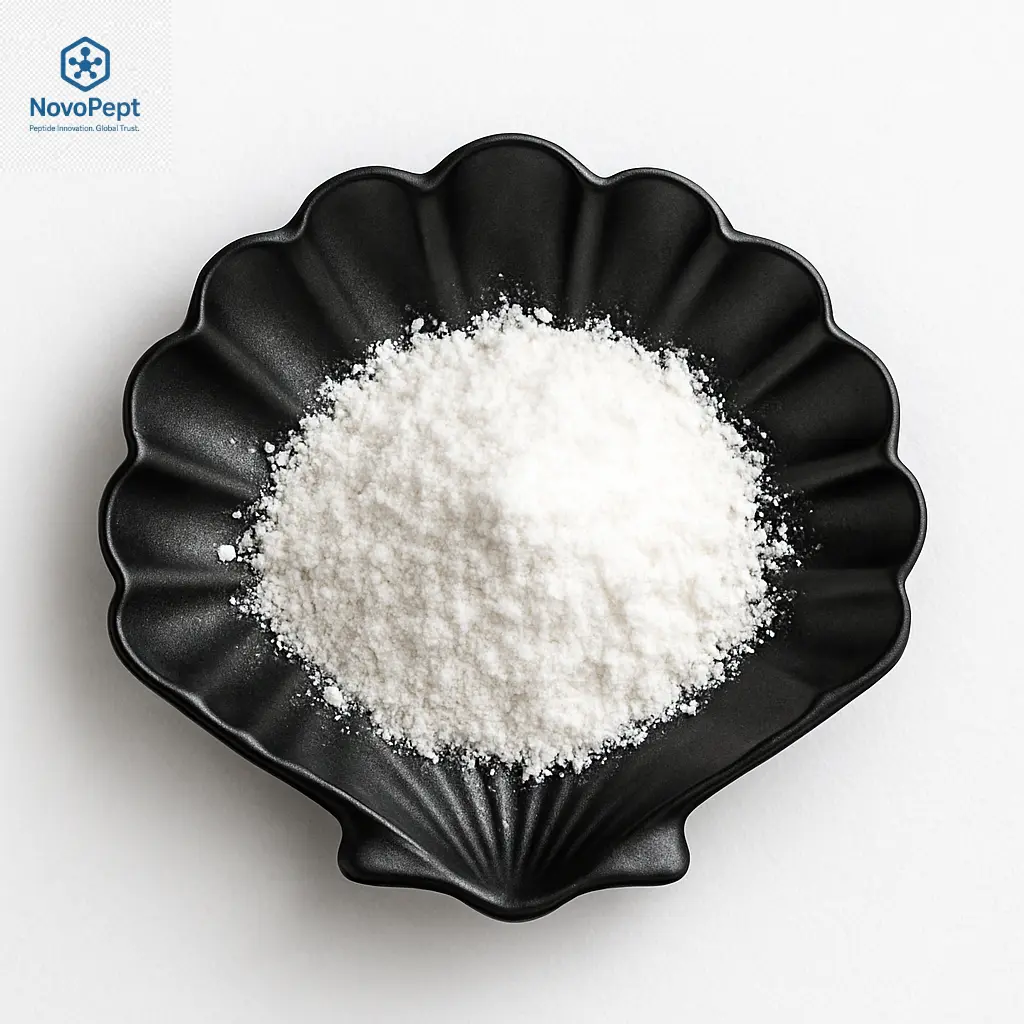
Crisaborole CAS 906673-24-3
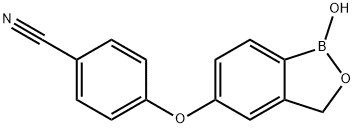
Crisaborole (CAS: 906673-24-3) – a non-steroidal topical PDE4 inhibitor used to treat mild to moderate atopic dermatitis.
what's Crisaborole CAS 906673-24-3?
Crisaborole is a selective phosphodiesterase-4 (PDE4) inhibitor known for its anti-inflammatory properties. It is widely used in dermatological research, particularly in studies targeting atopic dermatitis, eczema, and other inflammatory skin conditions. By inhibiting PDE4, Crisaborole increases intracellular cAMP levels, which suppresses pro-inflammatory cytokine release and promotes skin barrier function.
Technical Specification
| Item | Specification |
|---|---|
| Chemical Name | Crisaborole |
| CAS Number | 906673-24-3 |
| Molecular Formula | C14H9BO3 |
| Molecular Weight | 221.95 g/mol |
| Appearance | White to off-white crystalline powder |
| Purity | ≥98% (HPLC) |
| Solubility | Soluble in DMSO, slightly soluble in water |
| Storage | Store in a cool, dry place, protected from light |
Key Benefits of Crisaborole
- Non-steroidal anti-inflammatory activity
- Targeted PDE4 inhibition for skin inflammation
- Supports eczema and dermatitis research
- Enhances understanding of cAMP signaling pathways
- High-purity API for research and formulation development
Applications of Crisaborole
- Topical anti-inflammatory drug research
- Atopic dermatitis and eczema preclinical studies
- PDE4 signaling pathway investigation
- Cytokine suppression mechanism studies
- Formulation and pharmaceutical development
Mechanism of Action
- Inhibits phosphodiesterase-4 (PDE4)
- Increases intracellular cAMP
- Suppresses pro-inflammatory cytokine release
- Reduces inflammation and immune cell activation
- Promotes skin barrier function and repair
Side Effects
Crisaborole is generally well-tolerated in clinical and preclinical studies. Adverse effects are usually mild, localized, and temporary, primarily related to topical use:
- Skin Reactions: Mild burning or stinging at the application site
- Redness or Irritation: Temporary erythema or itching
- Allergic Reactions: Rare instances of rash or hypersensitivity
- Other Observations: Extremely rare systemic effects; primarily limited to local site
Comparison: Crisaborole vs Apremilast vs Roflumilast
| Feature | Crisaborole | Apremilast | Roflumilast |
|---|---|---|---|
| Target | PDE4 | PDE4 | PDE4 |
| Application | Topical anti-inflammatory | Systemic autoimmune therapy | Systemic respiratory inflammation |
| Structure | Boron-containing small molecule | Small molecule | Small molecule |
| Administration | Topical | Oral | Oral |
| Research Focus | Skin inflammation | Psoriasis, autoimmune diseases | COPD, asthma |
FAQ
Q: What is Crisaborole used for?
A: Crisaborole is used in research for anti-inflammatory applications, particularly for eczema, dermatitis, and PDE4 signaling studies.
Q: Is it a steroid?
A: No. Crisaborole is a non-steroidal PDE4 inhibitor, reducing inflammation without the side effects associated with corticosteroids.
Q: Can it be used for topical formulations?
A: Yes, it is suitable for preclinical and formulation research.
Q: What is the purity of your Crisaborole?
A: Our Crisaborole is ≥98% pure, suitable for pharmaceutical and research purposes.
Q: How often should I use crisaborole?
A: Usually twice daily on affected areas until improvement; some clinicians then switch to maintenance (once or twice weekly) after control.
Q: Can I use crisaborole on my face, eyelids or other sensitive areas?
A: Yes - it is non-steroidal and a viable option for face/eyelids. However, burning/stinging is more common in sensitive thin skin. Reddit users suggest cooling the area or applying moisturizer alongside.
Q: Is crisaborole safe for infants or children?
A: Yes - approved in the U.S. from 3 months of age for atopic dermatitis. Data in very young infants (<3 months) are limited.
Q: What if it doesn't seem to be working?
A: Some users report partial benefit or diminishing effect (e.g., seasonal flares). It may mean switching to or combining with other therapies (calcineurin inhibitors, phototherapy) is needed. Reddit user insight:
"I think it's different really for everyone… I see 50/50 on reddit and other sites saying it worked or didn't work for them."
Q: What is the cost and how to save money?
A: Without insurance, cost for one tube (~60 g) may be ~$700-$900 or more in the U.S.
But patients with commercial insurance may pay as little as $10 per prescription via manufacturer copay card.
Why Choose us?
- High-purity Crisaborole (≥98%) verified by HPLC and MS
- Reliable batch-to-batch consistency
- Suitable for research, formulation, and preclinical studies
- Professional documentation and COA available
- Global shipping support
certifications

Shipping methods

| Country | Delivery time |
| Untied states | 7-15 DAYS |
| Australia | 7-12 DAYS |
| Germany | 7-12 DAYS |
| Canada | 8-10 DAYS |
| New zealand | 7-10 DAYS |
| Uk | 5-10 DAYS |
| Thailand | 5-8 DAYS |
| Malaysia | 5-8 DAYS |
| Vietnam | 5-8 DAYS |
The delivery time shown above is an estimate. Shipping routes and freight capacity may change from time to time. For the most accurate delivery schedule, please contact us directly.
Payment terms

delivery records


Message us to get your personalized quotation within 24 hours.
-
Whatsapp:+852 6736 4057
-
Telegram:@hinovopept
-
Email:novopept@gmail.com

Hottags:
crisaborole supplier, crisaborole manufacturer, crisaborole factory, crisaborole price, crisaborole cost, crisaborole bulk purchase, crisaborole API export, crisaborole GMP manufacturer, Eucrisa alternative raw material, PDE4 inhibitor topical supplier, crisaborole CAS 906673-24-3
Hot Tags: crisaborole cas 906673-24-3, China crisaborole cas 906673-24-3 manufacturers, suppliers, factory


Send Inquiry
