


Urapidil HCl CAS 64887-14-5
Urapidil HCl is a valuable and versatile medication for blood pressure control, especially in acute situations, due to its unique combination of peripheral and central blood pressure-lowering effects.
What is Urapidil HCl? ?
Urapidil Hydrochloride is a potent antihypertensive agent classified as a selective alpha-1 adrenoceptor antagonist. It is unique because it offers a dual mechanism of action: it works peripherally to relax blood vessels and centrally to maintain heart rate stability.
Unlike many other blood pressure medications, Urapidil reduces systemic vascular resistance without causing reflex tachycardia (increased heart rate), making it a preferred choice in acute clinical settings.
Technical Data
|
Feature |
Detail |
|
Chemical Name |
6-[[3-[4-(2-methoxyphenyl)piperazin-1-yl]propyl]amino]-1,3-dimethylpyrimidine-2,4-dione; hydrochloride |
|
CAS Number |
64887-14-5 |
|
Molecular Formula |
C₂₀H₃₀ClN₅O₃ |
|
Appearance |
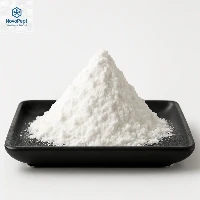
White to off-white crystalline powder |
|
Solubility |
Soluble in water and methanol |
|
Storage |
Store in a cool, dry place; keep container tightly closed |
Mechanism of Action
Urapidil exerts its effects via dual peripheral and central mechanisms:
Peripheral (vascular) effect: it blocks post-synaptic α₁-adrenergic receptors, preventing catecholamine-induced vasoconstriction ⇒ leading to vasodilation and reduction of peripheral vascular resistance.
Central effect: as a partial agonist at serotonin (5-HT₁A) receptors in the central nervous system, urapidil reduces central sympathetic outflow, further contributing to blood-pressure lowering.
Additional pharmacodynamic notes: It may have a weak β₁-adrenoceptor antagonism, but this plays a minor role.
As a result, urapidil causes a drop in systemic blood pressure (both systolic and diastolic), primarily via lowering peripheral resistance.
What is Urapidil HCl Used For?
The main and classical indication: treatment of hypertension (high blood pressure). It can be used as monotherapy or in combination with other antihypertensive agents.
It has also been used in hypertensive emergencies / crises, including peri-operative hypertension, and in situations requiring rapid blood pressure reduction.
Beyond blood-pressure control, there is research indicating potential organ-protective effects: in animal models, urapidil has shown benefit in reducing oxidative stress, inflammation, and tissue damage in ischemia-reperfusion (I/R) injuries (e.g., renal I/R injury, testicular/ovarian torsion-detorsion injury).
Additional metabolic benefits: some studies suggest urapidil may improve glucose and lipid metabolism in hypertensive patients with concomitant diabetes or hyperlipidemia.
How It Works in the Body?
After oral administration, urapidil is well absorbed (bioavailability ~ 70–80%) with peak concentrations approximately 4–6 hours after a sustained-release dose.
It undergoes hepatic metabolism; elimination half-life is about 4.7 hours (after oral dose).
A portion (~17%) is excreted unchanged in the urine within 24 hours; the remainder mainly as metabolites (para-hydroxylated, N-demethylated, O-demethylated).
Common Side Effects
According to clinical and pharmacological data, the most commonly reported adverse effects are generally mild and transient.
Common side effects may include:
- Dizziness, light-headedness, especially when standing up (due to blood pressure drop / orthostatic effect)
- Headache, fatigue, nausea, and gastrointestinal discomfort (nausea/vomiting)
- Flushing, general weakness, possible palpitations or cardiac-related symptoms (though tachycardia is less common compared to many α-blockers)
- Less common or rare adverse effects:
- Orthostatic hypotension (especially when standing up suddenly)
- Possible skin reactions (rash, pruritus), sweating, nasal congestion, allergic reactions in susceptible individuals
In IV use or overdose: excessive drop in blood pressure, collapse, marked hypotension, potentially severe cardiovascular instability.
Market Feedback & User Insights
Online reports of experiences with urapidil are limited but there are some community comments worth noting. For example, in an anesthesia / surgery-oriented forum:
"Eupressyl (Urapidil) would be my first choice for quick easy on-easy off anti-hypertensive in the OR." Reddit
This suggests that among some clinicians, urapidil is valued for its rapid, controllable blood-pressure lowering - especially in short-term or peri-operative settings.
What tends to matter to users :
- The balance of effectiveness vs side effects - many prefer a drug that lowers BP reliably without causing excessive tachycardia or disturbing heart rate. Urapidil's modest effect on heart rate (compared to pure vasodilators or other alpha-blockers) is often highlighted.
- Tolerability - mild side effects (dizziness, nausea) are often reported as acceptable/trade-offs if BP control is achieved.
- Ease of use in acute settings - in contexts like surgery or hypertensive emergencies, a fast but controllable BP-lowering agent is appreciated.
Hottags:
Urapidil HCl,Urapidil Hydrochloride, CAS 64887-14-5,Urapidil API, Urapidil raw material, Urapidil bulk powder, Urapidil pharma grade,Urapidil supplier
Urapidil manufacturer, Urapidil factory price, Urapidil on stock, High purity Urapidil, GMP Urapidil API, Urapidil COA, Urapidil DMF support
Hot Tags: urapidil hcl cas 64887-14-5, China urapidil hcl cas 64887-14-5 manufacturers, suppliers, factory, cu peptide, Melanotan Ii Skincare, s acetyl l glutathion 200 mg, GHK Cu, coq10 100mg, glutacid l glutathione



Send Inquiry
