
LL-37 CAS 169459-86-3
What is LL-37 ? LL-37 is a synthetic human cathelicidin antimicrobial peptide corresponding to the C-terminal fragment of the precursor protein hCAP-18. The peptide consists of 37 amino acids and derives its name from the two leucine residues at the N-terminus. As a multifunctional host defense...
What is LL-37?
LL-37 is a high-quality, synthetic human antimicrobial peptide. It is widely recognized for its versatile role in boosting natural immunity, regulating inflammation, and supporting cell signaling.
In addition to its traditional uses, LL-37 is increasingly sought after for cutting-edge cancer research due to its unique impact on tumor environments.
To support your research and development needs, our LL-37 is manufactured under strict quality control standards. We ensure high purity, full batch traceability, and provide all necessary analytical documentation to guarantee consistent performance in every project.
Technical Data
- Product Name: LL-37 Peptide
- Synonyms: Human Cathelicidin LL-37, CAMP
- Amino Acid Length: 37 aa
- Sequence Origin: Human (Homo sapiens)
- Molecular Weight: ~4.5 kDa
- Purity: ≥98% (HPLC)
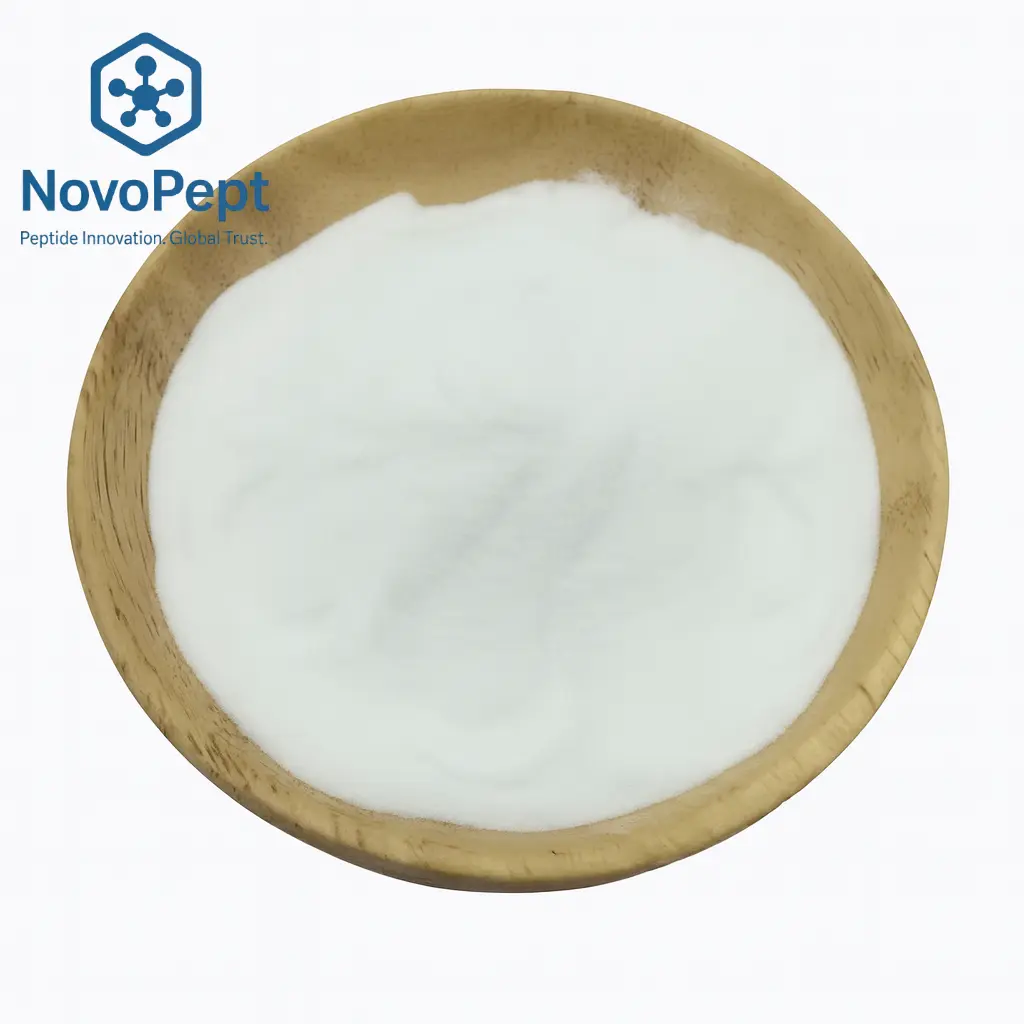
- Form: Lyophilized powder
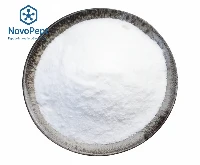
- Appearance: White to off-white
- Solubility:
- Soluble in water or aqueous buffers
- Dilute acetic acid may be used if required
Mechanism of Action
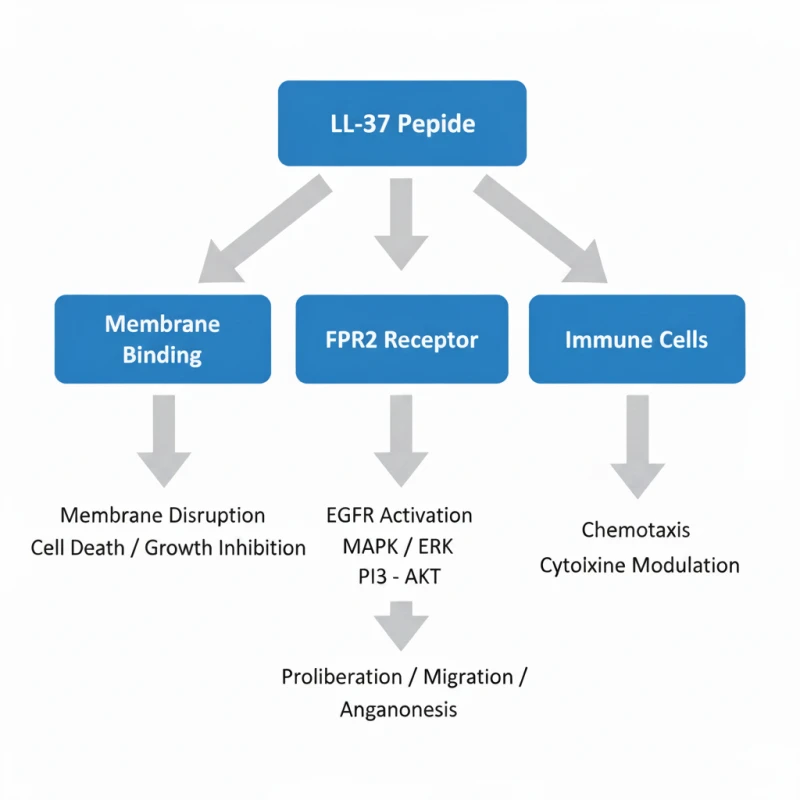
LL-37 peptide is a multifunctional human antimicrobial peptide with a context-dependent mechanism of action. Its biological activity is mediated through direct membrane interaction, receptor-mediated signaling, and immune modulation, making LL-37 widely studied in antimicrobial, immunology, and cancer research models.
As a cationic amphipathic peptide, LL-37 interacts with negatively charged cell membranes, leading to membrane destabilization and increased permeability. This mechanism underlies its broad-spectrum antimicrobial activity and contributes to membrane-mediated cytotoxic effects in selected experimental models.
In addition to membrane interactions, LL-37 can activate receptor-mediated signaling pathways, particularly through FPR2 (FPRL1) and indirect EGFR transactivation. Downstream pathways such as MAPK/ERK and PI3K-AKT are involved in regulating cell proliferation, migration, angiogenesis, and survival in a cell-type-specific manner.
LL-37 also plays a key role in innate immune modulation by influencing chemotaxis, cytokine expression, and inflammatory responses. These immune-regulatory functions contribute to its involvement in host defense, tissue repair, and tumor microenvironment research.
Overall, the mechanism of action of LL-37 peptide is dose- and context-dependent, and its effects vary across microbial, immune, and cancer cell systems. For this reason, LL-37 is primarily supplied as a research tool for mechanistic and signaling pathway studies.
LL-37 peptide Pathway Diagram
Cancer Research Applications
LL-37 peptide is widely studied in cancer research due to its diverse and context-dependent roles in tumor biology. Research indicates that LL-37 can influence cancer cell behavior, angiogenesis, and tumor–immune interactions in a cancer-type- and dose-dependent manner.
In certain tumor models, LL-37 has been reported to promote cancer cell proliferation and angiogenesis through activation of signaling pathways such as EGFR, MAPK/ERK, and PI3K-AKT, as well as interactions with receptors including FPR2 (FPRL1). These effects have been observed in selected solid tumors, including breast, ovarian, and lung cancer models.
Conversely, LL-37 has also demonstrated anti-tumor activities in other cancer types, where it may induce apoptosis, inhibit tumor cell growth, disrupt cancer cell membranes, or modulate anti-tumor immune responses. Such inhibitory effects have been reported in colon and gastric cancer research models.
Due to these dual and tumor-specific effects, LL-37 is primarily used as a research tool for investigating cancer signaling pathways, tumor microenvironment dynamics, and cancer–immune system interactions.
FAQ
- Is LL-37 peptide pro-cancer or anti-cancer?
LL-37 exhibits dual, context-dependent effects in oncology research. Depending on the cancer type, concentration, and tumor microenvironment, it may either promote growth or demonstrate anti-tumor activity. Because of this complexity, LL-37 is currently utilized primarily as a versatile research tool for mechanistic studies rather than a finished therapeutic agent.
- How does LL-37 affect cancer cells?
In various cancer models, LL-37 has been shown to influence cell proliferation, apoptosis (programmed cell death), angiogenesis, and immune signaling. Mechanistically, it interacts with receptors such as FPR2 (FPRL1) and activates key pathways including EGFR, MAPK/ERK, and PI3K-AKT, leading to outcomes specific to each cancer type.
- What purity of LL-37 is recommended for research?
For reliable results in signaling and tumor biology, we recommend high-purity LL-37 (≥98% by HPLC). High purity is essential to ensure reproducibility and minimize experimental variability. Every batch should be supported by full analytical documentation, including COA, HPLC, and MS reports.
- Where to buy bulk LL-37?
NovoPept Biotech is your trusted partner for high-quality LL-37. We provide:
Verified Quality: Third-party lab test reports for every batch.
Superior Purity: Ultra-high purity with low impurity levels, confirmed by HPLC and H-NMR testing.
Custom Solutions: Professional OEM services are available. We can manufacture LL-37 in various forms, including hard capsules, tablets, and softgels, tailored to your specific requirements.
Message us to get your personalized quotation within 24 hours.
-
Whatsapp:+852 6736 4057
-
Telegram:@hinovopept
-
Email:novopept@gmail.com

Hot Tags: ll-37 cas 169459-86-3, China ll-37 cas 169459-86-3 manufacturers, suppliers, factory



Send Inquiry
