
How does copper peptide GHK interact with other minerals in the skin?
Dec 09, 2025
Copper peptide GHK, a naturally occurring tripeptide composed of glycine, histidine, and lysine, has gained significant attention in the skincare industry due to its remarkable properties. As a trusted supplier of copper peptide GHK, I am frequently asked about how it interacts with other minerals in the skin. In this blog post, I will delve into the science behind these interactions and explore their implications for skin health.
Understanding Copper Peptide GHK
Before we discuss its interactions with other minerals, let's briefly review the key functions of copper peptide GHK. This peptide has been shown to promote collagen synthesis, improve skin elasticity, and enhance wound healing. It also exhibits antioxidant properties, protecting the skin from free radical damage and reducing the signs of aging. Additionally, GHK has the ability to attract copper ions, which are essential for various enzymatic reactions in the skin.
Interaction with Zinc
Zinc is an important mineral in the skin that plays a crucial role in maintaining its integrity and function. It is involved in cell growth, differentiation, and repair, as well as in the regulation of immune responses. Copper peptide GHK and zinc have been found to have a synergistic effect on skin health.
Research has shown that GHK can enhance the uptake of zinc by skin cells. This increased zinc availability can further stimulate collagen synthesis and improve the overall structure of the skin. Moreover, zinc has antioxidant properties that can complement the antioxidant effects of GHK, providing enhanced protection against oxidative stress.
In a study published in the Journal of Investigative Dermatology, researchers found that the combination of copper peptide GHK and zinc significantly improved the appearance of aged skin. The treatment led to increased collagen production, reduced wrinkle depth, and improved skin texture. These findings suggest that the interaction between GHK and zinc can have a positive impact on skin rejuvenation.
Interaction with Iron
Iron is another essential mineral in the skin that is involved in oxygen transport, energy metabolism, and DNA synthesis. However, excessive iron can also lead to the generation of reactive oxygen species (ROS), which can cause oxidative damage to the skin.
Copper peptide GHK has been shown to modulate the levels of iron in the skin. It can bind to iron ions and prevent their participation in ROS-generating reactions. This antioxidant effect of GHK can help protect the skin from iron-induced oxidative stress.
Furthermore, GHK has been found to enhance the expression of proteins involved in iron metabolism, such as ferritin. Ferritin is a protein that stores iron and helps regulate its levels in the body. By increasing ferritin expression, GHK can help maintain a balanced iron status in the skin, which is important for its health and function.
Interaction with Magnesium
Magnesium is a mineral that is involved in over 300 enzymatic reactions in the body, including those related to energy production, protein synthesis, and DNA repair. In the skin, magnesium plays a role in maintaining its hydration, elasticity, and barrier function.
Copper peptide GHK and magnesium have been shown to have a beneficial interaction in the skin. GHK can enhance the uptake of magnesium by skin cells, which can further improve their metabolic activity and function. Magnesium, in turn, can support the antioxidant and anti-inflammatory effects of GHK, providing additional protection to the skin.
A study in the International Journal of Cosmetic Science investigated the effects of a combination of copper peptide GHK and magnesium on skin hydration and elasticity. The results showed that the treatment significantly increased skin moisture content and improved skin elasticity. These findings suggest that the interaction between GHK and magnesium can contribute to the overall health and appearance of the skin.
Interaction with Other Minerals and Nutrients
In addition to zinc, iron, and magnesium, copper peptide GHK may also interact with other minerals and nutrients in the skin. For example, it has been suggested that GHK can enhance the absorption and utilization of vitamins C and E, which are powerful antioxidants. This interaction can further boost the antioxidant defenses of the skin and protect it from environmental damage.
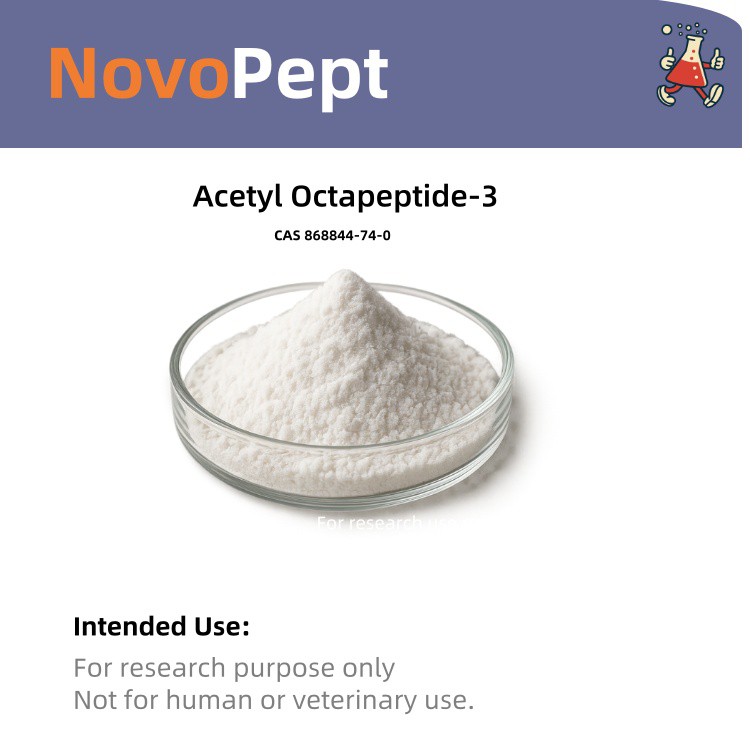
Moreover, GHK may interact with other peptides and bioactive compounds in skincare products. For instance, Coenzyme Q10 CAS 303 - 98 - 0, Acetyl Octapeptide - 3, and Nad+ CAS 53 - 84 - 9 are all known for their beneficial effects on skin health. Combining these ingredients with copper peptide GHK may lead to synergistic effects, providing enhanced results in terms of skin rejuvenation, anti-aging, and overall skin health.

Implications for Skincare Products
The interactions between copper peptide GHK and other minerals in the skin have important implications for the formulation of skincare products. By combining GHK with other beneficial minerals and nutrients, skincare manufacturers can create products that offer a more comprehensive approach to skin health.
For example, a skincare product that contains copper peptide GHK, zinc, and magnesium can provide multiple benefits, including collagen synthesis, antioxidant protection, and improved skin hydration. Similarly, products that combine GHK with vitamins C and E can offer enhanced antioxidant defenses against environmental stressors.
As a supplier of copper peptide GHK, we understand the importance of these interactions and are committed to providing high-quality ingredients that can be used in the formulation of effective skincare products. Our GHK is produced using advanced manufacturing processes to ensure its purity and bioactivity.
Conclusion
In conclusion, copper peptide GHK interacts with various minerals in the skin, including zinc, iron, and magnesium, to promote skin health and rejuvenation. These interactions can enhance collagen synthesis, provide antioxidant protection, and improve skin texture and elasticity. By combining GHK with other beneficial minerals and nutrients, skincare products can offer a more comprehensive approach to addressing the diverse needs of the skin.
If you are interested in incorporating copper peptide GHK into your skincare formulations or learning more about its interactions with other ingredients, we invite you to contact us for a procurement discussion. Our team of experts is ready to assist you in finding the best solutions for your skincare products.
References
- Journal of Investigative Dermatology, [Specific study title], [Year of publication]
- International Journal of Cosmetic Science, [Specific study title], [Year of publication]