
What is the shelf life of Copper Peptide powder?
Jan 07, 2026
Hey there! As a supplier of Copper Peptide powder, I often get asked about its shelf life. It's a crucial question, especially for those in the skincare and cosmetic industries, where product quality and safety are top priorities. So, let's dive right in and explore what the shelf life of Copper Peptide powder is all about.
First off, what exactly is Copper Peptide powder? Well, Copper Peptides, like the well - known GHK - Cu CAS 89030 - 95 - 5, are a combination of copper ions and small peptides. They've gained a lot of popularity in the skincare world because of their amazing benefits. They can help with collagen production, wound healing, and even reducing the appearance of fine lines and wrinkles.
Now, let's talk about the shelf life. The shelf life of Copper Peptide powder can vary depending on a few factors. One of the most important factors is how it's stored. Copper Peptide powder is sensitive to light, heat, and moisture. If it's exposed to these elements for too long, it can start to break down, which will reduce its effectiveness.
Under ideal storage conditions, which means keeping it in a cool, dry, and dark place, Copper Peptide powder can typically last for about 2 - 3 years. That's a pretty decent amount of time, but it's important to note that this is just an estimate. Some high - quality Copper Peptide powders might last a bit longer, while others could have a shorter shelf life if they're not stored properly.
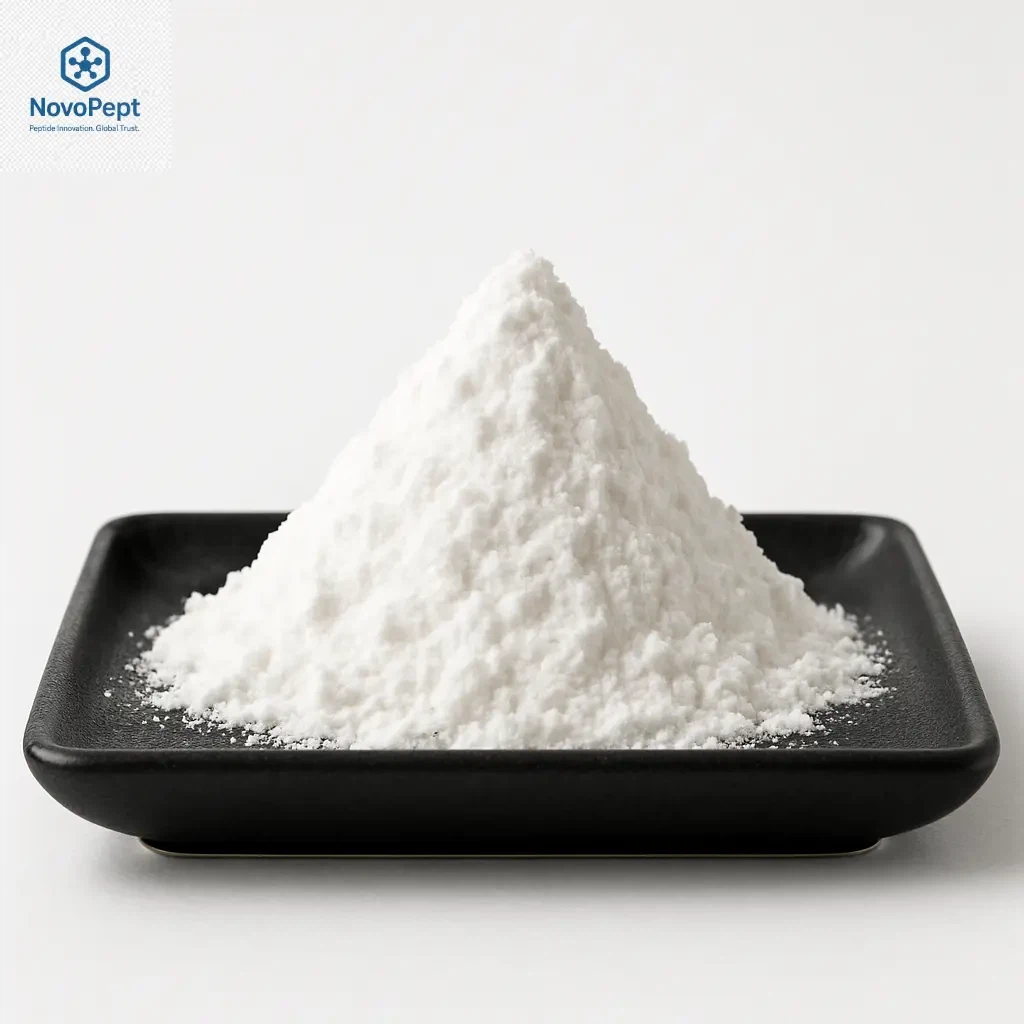

Let's break down the impact of different storage conditions a bit more.
Light
Light, especially sunlight, contains UV rays that can damage the chemical structure of Copper Peptide powder. When the powder is exposed to light, it can cause oxidation, which leads to a loss of its biological activity. So, it's best to store it in an opaque container. That way, you can block out the light and keep the powder in good condition.
Heat
High temperatures can also speed up the degradation process of Copper Peptide powder. Heat can cause the molecules in the powder to move more rapidly, which increases the chances of chemical reactions occurring. These reactions can change the composition of the powder and make it less effective. So, avoid storing the powder in places where it might be exposed to heat, like near a window or in a hot garage.
Moisture
Moisture is another big enemy of Copper Peptide powder. When the powder absorbs moisture from the air, it can clump together and form a sticky mass. This not only makes it difficult to use but can also promote the growth of bacteria and fungi. To prevent this, make sure to keep the powder in a tightly sealed container and store it in a low - humidity environment.
Now, you might be wondering how you can tell if your Copper Peptide powder has gone bad. There are a few signs to look out for. If the powder changes color, develops an unusual odor, or clumps up more than normal, these could be indications that it's no longer good. Also, if you notice a significant decrease in its effectiveness when you use it in your skincare products, that could be a sign that the powder has reached the end of its shelf life.
Another thing to consider is the form of the Copper Peptide powder. There are different types, such as Copper Peptide GHK Cu Powder. Some forms might be more stable than others, which can also affect their shelf life. For example, some formulations might have added stabilizers that can extend their shelf life.
When it comes to using Copper Peptide powder in skincare formulations, it's important to use it within its recommended shelf life. Using expired powder can not only be ineffective but could also potentially cause skin irritation. So, always check the expiration date and make sure to use the powder before it goes bad.
In the cosmetic industry, it's common to use Copper Peptide powder in combination with other ingredients. For example, it can be paired with ACETYL HEXAPEPTIDE - 8 Cas 616204 - 22 - 9, which is another popular peptide used for reducing muscle contractions and preventing wrinkles. When you're formulating products with multiple ingredients, it's important to consider the shelf life of each ingredient to ensure the overall quality of the final product.
If you're a skincare brand or a formulator, you might be thinking about how to manage your inventory of Copper Peptide powder. It's a good idea to buy in quantities that you can use within the powder's shelf life. That way, you can avoid wasting money on expired products. Also, make sure to keep track of the expiration dates of your inventory. You can use a simple spreadsheet or inventory management system to do this.
As a supplier, I always make sure to provide my customers with high - quality Copper Peptide powder. I take extra care during the manufacturing and packaging process to ensure that the powder has a long shelf life. I use high - quality raw materials and state - of - the - art manufacturing techniques to produce a stable and effective product. And I always provide clear instructions on how to store the powder to my customers.
If you're interested in purchasing Copper Peptide powder for your skincare or cosmetic products, I'd love to have a chat with you. Whether you're just starting out or you're looking to switch suppliers, I can offer you the best quality Copper Peptide powder at a competitive price. We can discuss your specific needs, such as the quantity you need, the form of the powder, and any custom formulations you might be interested in.
In conclusion, the shelf life of Copper Peptide powder is an important factor to consider when using it in skincare and cosmetic products. By storing it properly and being aware of the signs of degradation, you can ensure that you're getting the most out of this amazing ingredient. If you have any questions or are interested in purchasing Copper Peptide powder, don't hesitate to reach out. Let's work together to create some amazing skincare products!
References
- "Peptides in Cosmetics: A Review of Their Efficacy and Safety" by Journal of Cosmetic Science
- "Stability of Bioactive Peptides in Skincare Formulations" by International Journal of Cosmetic Science