
What is the role of cosmetic peptides in collagen production?
Jan 16, 2026
Cosmetic peptides have been creating quite a buzz in the skincare industry recently. Being a supplier of these amazing little molecules, I get to see how they're changing the game when it comes to collagen production. So, let's dive right in and talk about what role cosmetic peptides play in all this.
First off, what's the big deal about collagen? Collagen is like the scaffolding of our skin. It gives our skin its structure, making it look plump, firm, and smooth. As we age, our natural collagen production starts to decline. That's when we start noticing wrinkles, fine lines, and sagging skin. And that's where cosmetic peptides come in to save the day.
Cosmetic peptides are short chains of amino acids. Think of them as little messengers in our skin. They're small enough to penetrate the skin barrier and communicate with our skin cells. When they reach the right cells, they can give them instructions to do certain things, like producing more collagen.
One of the ways peptides work is by stimulating fibroblasts. Fibroblasts are skin cells that are responsible for making collagen, elastin, and other important components of the extracellular matrix. Peptides can send signals to these fibroblasts, basically telling them, "Hey, it's time to ramp up collagen production!"
For example, there's a peptide called Palmitoyl Pentapeptide-4. It's often used in anti-aging skincare products. When this peptide gets into the skin, it starts a series of biochemical reactions that lead to an increase in collagen synthesis. It can also help to repair damaged collagen fibers, making the skin look more youthful and resilient.
Another cool thing about peptides is that they can help to protect the collagen that's already there. Our skin is constantly exposed to all sorts of stressors, like UV rays, pollution, and free radicals. These things can break down collagen over time. But some peptides have antioxidant properties, which means they can neutralize those free radicals before they can do too much damage.
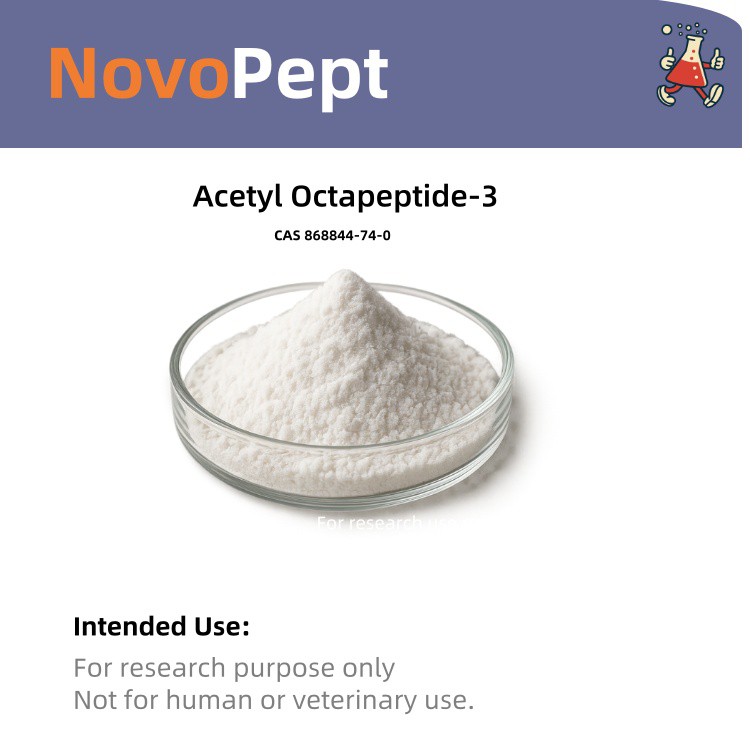
Let's talk about some specific peptides that are really popular in the market. Take Acetyl Octapeptide-3 for instance. This peptide is known for its ability to relax facial muscles. When our muscles are constantly contracting, it can lead to the formation of wrinkles. By relaxing these muscles, Acetyl Octapeptide-3 can help to reduce the appearance of dynamic wrinkles, like frown lines and crow's feet. And at the same time, it can also promote a healthier environment for collagen production.
Then there's L-Glutathione CAS 70-18-8. It's a powerful antioxidant peptide. It helps to protect the skin from oxidative stress, which is a major culprit in collagen breakdown. By keeping the skin's antioxidant defenses strong, L-Glutathione can help to preserve the existing collagen and support the production of new collagen.
And let's not forget about Celecoxib CAS 169590-42-5. This compound has some interesting properties in terms of skincare. While its primary use in medicine is different, in the cosmetic field, it can potentially play a role in regulating inflammation. Inflammation can disrupt the normal collagen production process. By keeping inflammation in check, Celecoxib can help to create a more stable environment for collagen synthesis.
As a cosmetic peptides supplier, I've seen firsthand how these molecules are revolutionizing the skincare industry. Skincare brands are constantly looking for new and effective ingredients to add to their products, and peptides fit the bill perfectly. They're natural, they're safe, and they've been proven to work.
But it's not just about the science behind peptides. It's also about the results. People who use skincare products with peptides often report seeing visible improvements in their skin. Their wrinkles seem less deep, their skin looks smoother and more supple, and overall, they have a more youthful appearance.
If you're a skincare brand or a formulator, you're probably wondering how to incorporate these peptides into your products. Well, it's not as complicated as you might think. Most peptides are water-soluble, which means they can be easily added to creams, lotions, serums, and other skincare formulations. And because they're so effective at low concentrations, you don't need to use a lot of them to see results.

When it comes to sourcing cosmetic peptides, it's important to choose a reliable supplier. That's where I come in. I've dedicated my business to providing high-quality, pure cosmetic peptides. We have a strict quality control process in place to ensure that every batch of peptides we supply meets the highest standards.
Whether you're looking to develop a new anti-aging product or improve an existing one, cosmetic peptides can be a game-changer. They offer a natural and effective way to boost collagen production, reduce the signs of aging, and give your customers the beautiful, healthy skin they deserve.
So, if you're interested in learning more about our cosmetic peptides or want to start a procurement discussion, don't hesitate to reach out. We're here to help you bring your skincare vision to life.
References
- Elias, P. M., & Choi, E. H. (2005). Skin barrier function: cutaneous homeostasis and the stratum corneum. Seminars in cutaneous medicine and surgery, 24(3), 148-154.
- Varani, J., Dame, M. K., Rittie, L., Fligiel, S. E., Kang, S., Fisher, G. J., & Voorhees, J. J. (2006). Decreased collagen production in chronologically aged skin: roles of age-dependent alteration in fibroblast function and defective mechanical stimulation. The American journal of pathology, 168(4), 1262-1270.
- Griffiths, C. E., & van der Pol, J. (2007). Protein therapeutics in dermatology. International journal of cosmetic science, 29(4), 253-262.