
Can ghk tripeptide be used in anti - cellulite products?
Aug 18, 2026
Can GHK Tripeptide Be Used in Anti-Cellulite Products?
As a supplier of GHK tripeptide, I've been frequently asked about its potential application in anti-cellulite products. Cellulite is a common concern, especially among women, and the beauty industry is constantly on the lookout for effective ingredients to combat it. In this blog post, I'll delve into the scientific aspects of GHK tripeptide and explore whether it could be a valuable addition to anti-cellulite formulations.
Understanding Cellulite
Before we discuss the role of GHK tripeptide, it's essential to understand what cellulite is. Cellulite is a condition where the skin appears lumpy and dimpled, mainly on the thighs, hips, and buttocks. It occurs when underlying fat deposits push through layers of connective tissue beneath the skin. Hormonal changes, genetics, diet, and lifestyle factors can all contribute to the development of cellulite.
Conventional anti-cellulite treatments often focus on reducing fat, improving blood circulation, and strengthening the connective tissue. Ingredients like caffeine, retinol, and certain plant extracts have been commonly used in anti-cellulite products. However, the search for more effective and innovative ingredients continues.
What is GHK Tripeptide?
GHK tripeptide, also known as glycyl-l-histidyl-l-lysine, is a naturally occurring peptide in the human body. It was first discovered in human plasma in the 1970s. This peptide has gained significant attention in the field of cosmetics and skincare due to its various beneficial effects on the skin.
GHK tripeptide is known to have multiple functions, including promoting collagen synthesis, enhancing skin elasticity, and reducing the appearance of fine lines and wrinkles. It also has anti-inflammatory properties and can support the repair and regeneration of damaged skin tissues. These properties have made it a popular ingredient in anti-aging skincare products.
Potential Mechanisms of Action Against Cellulite
One of the key factors in cellulite formation is the breakdown of collagen and elastin fibers in the connective tissue. As we age, the production of these fibers decreases, leading to a weaker structure that allows fat deposits to protrude more easily. GHK tripeptide's ability to stimulate collagen synthesis could potentially help strengthen the connective tissue and reduce the visibility of cellulite.

Collagen is the most abundant protein in the human body and provides structural support to the skin. By increasing collagen production, GHK tripeptide may improve the skin's texture and firmness, making it less likely for cellulite to be as noticeable. Additionally, its anti-inflammatory properties could help reduce any inflammation associated with cellulite, which may contribute to its overall appearance.
Another aspect to consider is blood circulation. Poor blood circulation can contribute to the development of cellulite. Some studies have suggested that GHK tripeptide may have a positive effect on blood vessel function. By improving blood flow to the skin, it could potentially help in the removal of waste products and toxins, which may be beneficial in reducing cellulite.
Scientific Evidence
While there is a significant amount of research on the anti-aging properties of GHK tripeptide, the specific studies on its use in anti-cellulite products are relatively limited. However, the existing knowledge about its mechanisms of action provides a strong rationale for its potential application.
In a study published in the Journal of Cosmetic Dermatology, researchers investigated the effects of a skincare product containing GHK tripeptide on skin elasticity and firmness. The results showed a significant improvement in these parameters after a certain period of use. Although this study was not specifically focused on cellulite, the enhanced skin firmness could potentially have a positive impact on the appearance of cellulite.
Another study explored the role of GHK tripeptide in wound healing. The peptide was found to accelerate the repair process by promoting cell proliferation and collagen deposition. This ability to support tissue repair could be relevant in the context of cellulite, as it may help in the restoration of the damaged connective tissue.
Combining GHK Tripeptide with Other Ingredients
To enhance the anti-cellulite effects, GHK tripeptide could be combined with other proven ingredients. For example, caffeine is well-known for its ability to stimulate lipolysis, the breakdown of fat cells. When combined with GHK tripeptide, which can strengthen the connective tissue, the two ingredients may work synergistically to reduce the appearance of cellulite.
Another potential combination is with NONAPEPTIDE-1 Cas158563-45-2. NONAPEPTIDE-1 is a peptide that has been shown to have skin-lightening effects. In the context of anti-cellulite products, it could help improve the overall appearance of the skin, making the cellulite less prominent.
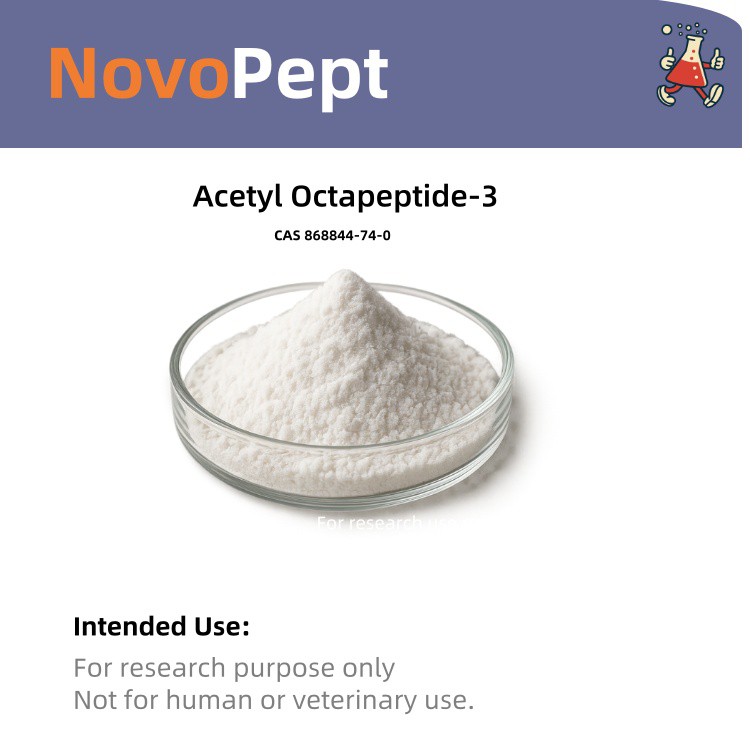
Acetyl Octapeptide-3 CAS 868844-74-0 is another ingredient that could be paired with GHK tripeptide. Acetyl Octapeptide-3 is known for its ability to relax facial muscles and reduce the appearance of wrinkles. In the case of cellulite, it may help in reducing muscle tension in the affected areas, which could contribute to a smoother skin surface.
Regulatory Considerations
When using GHK tripeptide in anti-cellulite products, it's important to comply with relevant regulations. In many countries, cosmetics and skincare products are subject to strict regulations to ensure their safety and efficacy. As a supplier, I ensure that our GHK tripeptide meets all the necessary quality and safety standards.
It's also important to make accurate claims about the product's effects. While GHK tripeptide shows potential in anti-cellulite applications, it's not a magic bullet. The marketing of anti-cellulite products should be based on scientific evidence and should not overstate the benefits.
Conclusion
In conclusion, while there is no definitive proof that GHK tripeptide can completely eliminate cellulite, its properties suggest that it could be a valuable ingredient in anti-cellulite products. Its ability to stimulate collagen synthesis, reduce inflammation, and potentially improve blood circulation make it a promising candidate.
As a supplier of high-quality GHK tripeptide, I'm committed to providing the beauty industry with the best possible ingredient for their formulations. If you're a cosmetic manufacturer or formulator interested in exploring the potential of GHK tripeptide in your anti-cellulite products, I encourage you to reach out to me. We can discuss the specific requirements of your products and how GHK tripeptide can be incorporated effectively.
If you're also interested in other related ingredients, such as Celecoxib CAS 169590-42-5, feel free to explore the provided link for more information.
Let's work together to develop innovative and effective anti-cellulite solutions that can make a real difference for consumers.
References
- Journal of Cosmetic Dermatology study on GHK tripeptide and skin elasticity
- Study on GHK tripeptide in wound healing